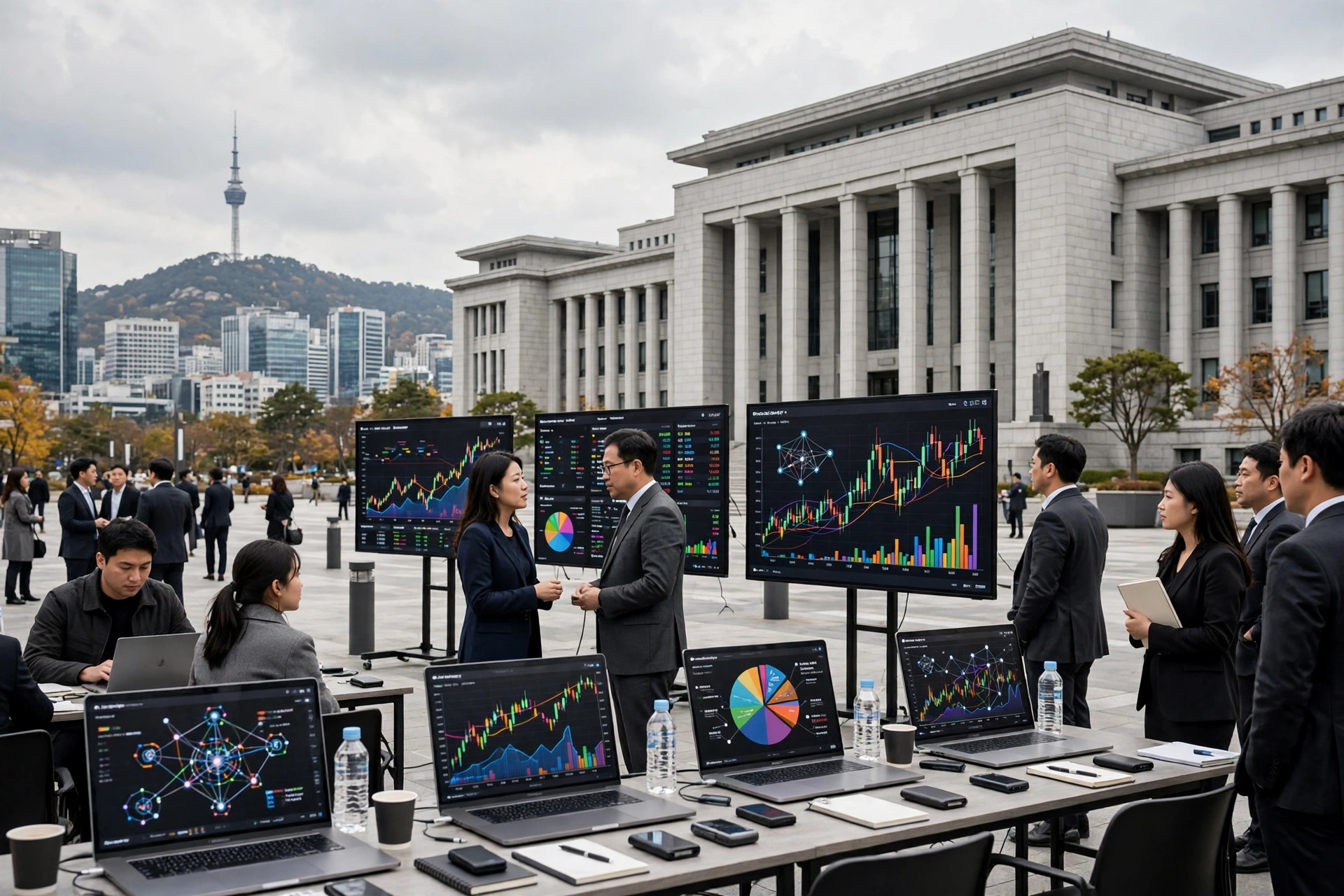
South Korea is preparing to reopen domestic token fundraising for the first time in nine years, but only under disclosure rules modelled on public share offerings. According to CoinDesk, the Financial Services Commission (FSC) has proposed allowing initial coin offerings (ICOs), reversing a ban imposed in 2017, as part of a wider digital asset bill presented on 24 November.
The proposal would bring crypto fundraising back under regulatory supervision rather than restoring the lightly regulated market that prompted the original crackdown. South Korea banned ICOs in September 2017, citing fraud, speculation and investor losses, CoinDesk reported. The new framework still requires parliamentary approval before any token sale can take place.
South Korea ICO proposal ends nine-year ban
Under the draft legislation, companies would once again be able to issue and sell new digital assets to investors inside South Korea. Crypto.news reported that the regulator presented the Digital Asset Industry Innovation and User Protection Act during a Virtual Asset Committee meeting chaired by FSC Chairman Lee Eok-won.
John Cho, chief executive and co-founder of Ratio and chief stablecoin officer at the Kaia DLT Foundation, told CoinDesk that regulated ICOs could help South Korean startups raise capital.
Disclosure rules and penalties for false statements
Issuers would have to file white papers detailing their projects, token supply, planned uses of funds and investment risks, along with shorter prospectuses for retail buyers, according to CoinDesk. The FSC would review disclosure filings and could demand corrections, and issuers would have to wait a specified period, potentially seven days, before soliciting buyers.
False statements or omitted information could trigger civil damages, financial penalties and possible criminal prosecution for issuers and executives, CoinDesk reported. Exchanges would also have to publish information about listed tokens and disclose material developments, including hacks and changes in token supply.
Continuing duties after listing
AltcoinDaily reported that exchanges would carry a continuing duty to keep listing disclosures updated after a token lists.
Bank-led won stablecoins and 100% reserves
The same legislation would restrict initial issuance of won-backed stablecoins to consortiums in which licensed banks collectively hold 50% plus one share, according to FXStreet. Crypto.news reported that stablecoin issuers would need minimum equity capital of 5 billion won ($3.71 million), qualified personnel and adequate operating infrastructure.
Issuers would have to maintain reserves covering at least 100% of outstanding tokens and allow holders to redeem their stablecoins without delay, crypto.news reported. Stablecoins with outstanding issuance of at least 1 trillion won could face additional supervision, with the Bank of Korea receiving authority to request joint inspections of their issuers.
Exchange ownership cap and what happens next
The government has also proposed a standard ownership limit of 20% for major shareholders in cryptocurrency exchanges, although qualifying shareholders could hold up to 34% with regulatory approval, according to crypto.news. The measures require parliamentary approval before taking effect, and the legislation was expected to reach the National Assembly by 25 November under the name of Rep. Yoo Dong-su, crypto.news reported.
The next step is National Assembly discussion, which will decide whether South Korea reopens token fundraising or keeps the 2017 ban.
Related coverage on TradeMatrix
- LayerZero ZRO Jumps 13% as Kakao Pay Joins Zero Validators
- XRP Ledger Lending One Vote Short as Vaults Near Dec 9
- XRP ETFs Post First November Inflow as Ripple Signs Yapı Kredi
Tags: #SouthKorea #ICO #CryptoRegulation #Stablecoins #CryptoMarkets #FSC #DigitalAssets
Comments (0)